
Building Future-Ready Teams with Team as a Service Model
12th June 2025 / in SEO / by Ruturaj Kohok
- Reading time: 11 mins 07 Sec
Here’s something that might sound familiar: you’re trying to build capable teams for your business, but your team lacks the necessary skills.
That’s a massive challenge when you’re trying to stay competitive!
We understand how difficult it can be to build the right teams while juggling costs and keeping things flexible. It’s frustrating, right?
But here’s where Digital Team as a Service (DTaaS) comes into the picture, and the timing couldn’t be better. It is the need of the hour.
The best part? DTaaS/TaaS lets companies quickly form specialised teams whenever project requirements change, cutting down on those endless administrative headaches and hiring costs.
And with the global market expected to grow at a never-before speed, having access to on-demand expertise isn’t just nice to have – it’s essential.
In this blog, we’ll walk you through exactly how the team as a service model works in a digital landscape, the key benefits it brings to digital businesses, and most importantly, how to choose the right TaaS partner to build your future-ready teams.
Let’s get started!
What is Team as a Service and Why It Matters Today?
Here’s the thing – TaaS represents a completely different approach to how businesses think about talent and project execution.
Unlike traditional outsourcing, where you basically hand off a project and cross your fingers, TaaS gives you dedicated, highly-skilled professionals who actually become part of your in-house team while you still maintain full control over the project.
Here’s where Digital Team as a Service really shines: it addresses crucial business challenges by providing specialised teams exactly when you need them. Companies can scale their workforce up or down based on shifting project requirements.
But here’s the kicker: while in-house hiring can drag on for weeks or even months, onboarding a TaaS team typically takes just a few days. Talk about speed!
TaaS works particularly well when you need specific expertise, have time-sensitive projects, or need high flexibility.
TaaS can provide experts across various domains, including digital marketing for SEO services, social media, performance marketing, web solutions, project management, and design, making it a popular solution for businesses going through digital transformation.
Plus, this model helps you avoid those hiring mismatches and priority conflicts while letting you pivot quickly to achieve your business objectives.
How the Team as a Service Model Works?
Here’s how it works: implementing team as a service is actually pretty straightforward and removes all that complexity from traditional hiring.
Think about it: instead of waiting weeks or months for in-house hiring, onboarding a TaaS team typically takes just a few days. Talk about a game-changer!
Onboarding external teams for specific projects
The onboarding process follows a simple, structured approach that makes everything smooth sailing.
First, you and the vendor sit down and discuss all the project details – requirements, deadlines, and what kind of team you need.
Once everything’s crystal clear, the vendor puts together the perfect team based on exactly what you’re looking for.
Here’s the best part: you get direct communication with your team. You assign tasks, control the workflow, while the vendor takes care of all those administrative headaches.
Flexible engagement models: hourly, fixed, or full-time
One thing we absolutely love about the digital team as a service model? The payment flexibility is incredible. You can choose whatever works best for your situation:
- Time and Materials (T&M): Pay for actual hours worked. It is perfect when your project requirements keep evolving
- Fixed Price: Set cost for projects where you know exactly what you want delivered
- Full-time or Part-time Dedication: Different commitment levels depending on what you need
When it comes to benefits, team as a service excels because of this flexibility that lets you align team engagement with your specific project needs and budget.
It’s basically a customisable solution that fits any organisation, no matter the size!
Types of services offered: From development to marketing
When you hire team as a service, you’re not just getting one skill set. You get access to a whole range of expertise that can cover pretty much everything you need.
TaaS teams deliver specialised skills like software development, UI/UX design, quality assessment, project management, digital marketing, including e-commerce SEO services, social media management, website development, and much more.
This makes the model super valuable for businesses going through digital transformation who need multiple skill sets all at once, instead of hiring separately for each area.
The TaaS approach lets you stay in control of project direction while someone else handles all the administrative stuff.
You focus on your core business objectives while your external team delivers exactly the specialised expertise you need, when you need it.
Pretty efficient, right?
Key Benefits of Digital Team as a Service:
The business benefits of adopting a TaaS approach go way beyond just convenience.
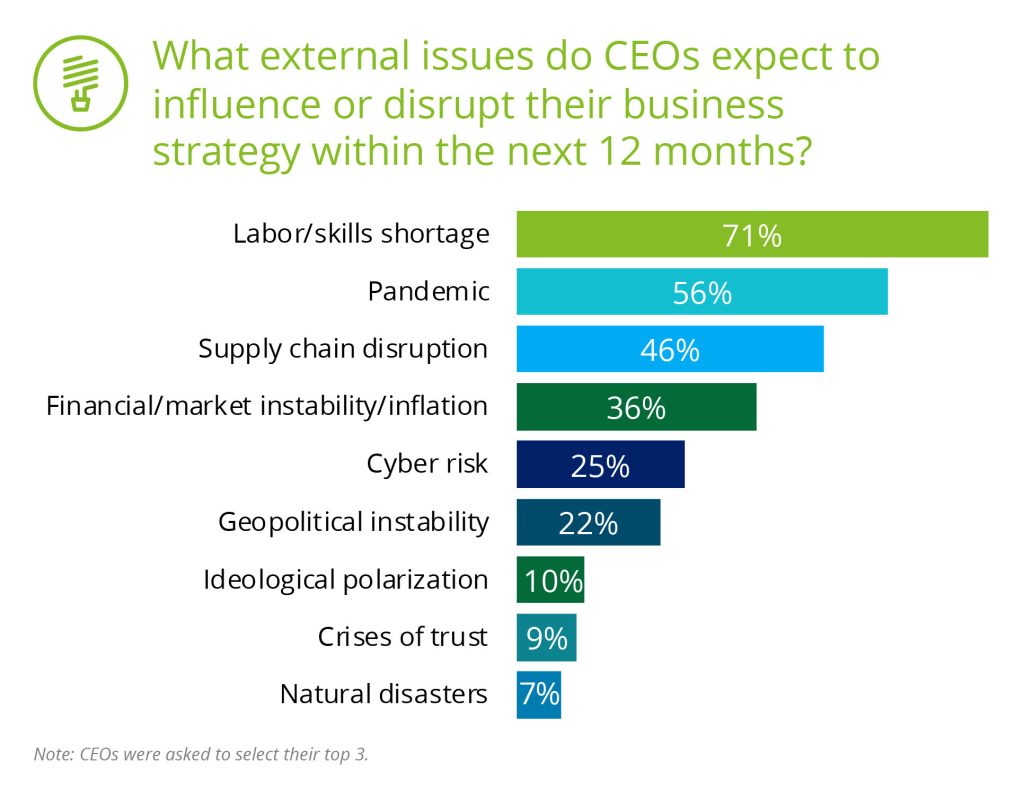
Source: PR Newswire
Here’s something that’ll grab your attention: 71% of CEOs cite global labour/skills shortage as their top external challenge to their business strategy. Talk about a widespread problem!
So why is this model becoming so essential for digital businesses? Let’s check out the real benefits.
Scalability and speed to market:
The team as a service model gives you flexibility like nothing else. You can quickly put together specialised teams and just as easily disband them when project requirements shift.
Think about it: instead of waiting months for hiring and training (which we all know is painful), TaaS teams are already formed and ready to go.
They come with that level of teamwork and collaboration that can seriously speed up your project timelines.
This is SUPER valuable if you’re dealing with workloads that keep changing or those time-sensitive projects that make you lose sleep.
Access to global talent and niche skills:
Here’s where it gets interesting: digital team as a service opens up a whole world of talent that’s usually hard to get through regular hiring.
Did you know that many companies say talent is their main reason for choosing digital TaaS?
With this model, you can get access to people with expert-level skills from anywhere in the world who can manage your workflow remotely.
Cost savings and reduced HR overhead:
Now THIS is where it gets exciting: hiring a digital team as a service can slash your budget significantly compared to recruiting in US/EU markets.
You skip all those recruitment fees, IT infrastructure costs, and supporting departments like HR and finance.
No recruitment costs, no onboarding expenses, reduced infrastructure needs, and zero long-term salary commitments.
And we all understand how these costs can add up quickly, making it a top benefit of the team as a service!
Improved project control and transparency:
Unlike traditional outsourcing, where you hand off a project and cross your fingers, TaaS lets you maintain control over your projects.
You get direct communication with your team – no middlemen getting in the way.
This transparency makes everything flow smoothly, and you’ll know immediately if any issues pop up.
Throughout the whole collaboration, you get regular updates that create a relationship built on clear communication and accountability.
Pretty amazing, right?
How to Choose the Right TaaS Partner?
Here’s what you need to know: choosing the right digital team as a service partner can make or break your project’s success.
We understand that with so many providers out there, it can feel overwhelming to make the right choice.
But don’t worry, we’ve got you covered! Let’s check out the key factors that will help you find the perfect TaaS partner.
Check for industry-specific experience:
You definitely want a team as a service partner who knows your industry inside and out.
Think about it: would you want a team that has to learn your business sector from scratch while working on your project? Of course not!
A suitable partner should understand your business challenges, regulations, and industry-specific requirements.
This domain knowledge means they can hit the ground running without those lengthy orientation periods that eat into your timeline.
Here’s another thing to consider: make sure their technology stack aligns with your project requirements.
Seamless integration depends on this compatibility, and trust me, you don’t want to discover mismatches halfway through your project!
Evaluate communication and remote work readiness:
Communication is EVERYTHING when it comes to remote collaborations. You want a digital team as a service provider who have clear work policies in place for defined communication channels, working hours, and response times.
Take a close look at their remote infrastructure, too. Do they have reliable VPNs, video conferencing capabilities, cloud solutions, and project management tools?
Poor communication can lead to miscommunications, duplicated work, and costly mistakes, and nobody wants that headache!
Understand their approach to team stability and conflict resolution
Here’s something that many businesses overlook: team stability.
Stable teams deliver higher throughput, better predictability, and increased satisfaction. Talk about a win-win!
Before making your decision to hire a team as a service, dig into how potential partners handle employee retention. Look for companies with solid retention programs, skill development pathways, and consistent feedback culture.
You should also ask about their conflict resolution strategies. Complex projects can create tension, and you want a partner who can manage these situations effectively.
Final thoughts: The emergence of Digital Team as a Service
Let’s sum it all up:
Team as a Service isn’t just another business trend; it’s become a game-changer for companies dealing with talent shortages while needing specialised skills.
Throughout this guide, we’ve walked you through how TaaS changes the traditional workforce game, giving you flexibility and access to global expertise like never before.
When it comes to choosing the right TaaS partner, look for industry-specific experience, check their communication setup, and understand how they handle team stability. These steps make all the difference in getting a partnership that actually delivers.
The future of work includes flexible team structures: there’s no going back from this reality.
TaaS gives you a practical way to stay competitive despite skills gaps and constantly changing market demands.
Whether you need developers, marketers, or project managers, this model provides the agility modern businesses can’t survive without.
Your organisation deserves teams equipped with the right skills at the right time. Digital Team as a Service delivers exactly that, without the traditional headaches of permanent hiring.
The question isn’t whether your business can benefit from TaaS, but rather which projects would gain the most from this approach to building future-ready teams.
Ready to build your future-ready team? Get in touch with us for expert social media, web development, design, and SEO services!
FAQs:
Team as a Service is a flexible workforce model that provides businesses with dedicated, highly-skilled professionals who become an extension of their in-house team. It allows companies to quickly onboard external teams for specific projects, offering various engagement models such as hourly, fixed, or full-time, and covering a wide range of services from development to marketing.
TaaS offers several key benefits, including improved scalability and speed to market, access to global talent and niche skills, significant cost savings, reduced HR overhead, and enhanced project control and transparency. It allows businesses to rapidly form specialised teams in response to shifting project requirements without the lengthy recruitment process.
When selecting a TaaS partner, companies should check for industry-specific experience, evaluate communication and remote work readiness, and understand the partner’s approach to team stability and conflict resolution. These factors help ensure a successful partnership that meets the company’s specific needs.
TaaS addresses the skills gap by providing on-demand access to specialised talent without the need for lengthy recruitment cycles. It allows companies to quickly bring in experts across various domains, helping them stay competitive in the digital landscape and adapt to changing project requirements without the commitment of permanent hires.
A future-ready team in the TaaS context is characterised by its ability to adapt quickly to changing business needs, possess diverse and specialised skills, and work effectively in flexible and remote environments. These teams are typically well-versed in the latest technologies and industry trends, allowing businesses to stay competitive and innovative in rapidly evolving markets.