
Digital Team as a Service: Business Models, Margins, and India’s Edge
8th August 2025 / in SEO / by Ruturaj Kohok
- Reading time: 7 mins 04 Sec
Businesses face unprecedented challenges when hiring digital teams. It becomes a hassle trying to find the right team for the right task, and ensuring that they deliver quality work.
Source: Recruiter Flow
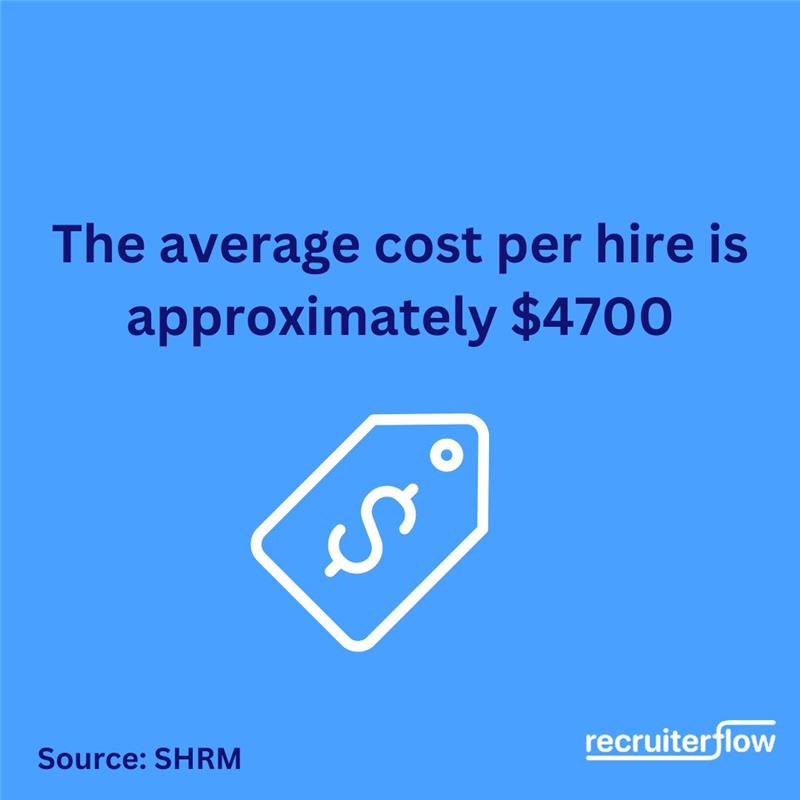
Research shows that companies spend around $4,700 to hire each new employee in the US, and positions remain vacant for forty-two days on average. The EU market doesn’t deal very well with a massive shortage of 500,000 developers. Companies across the EU report that 67% of them can’t find the developers they need.
Source: Vervoe
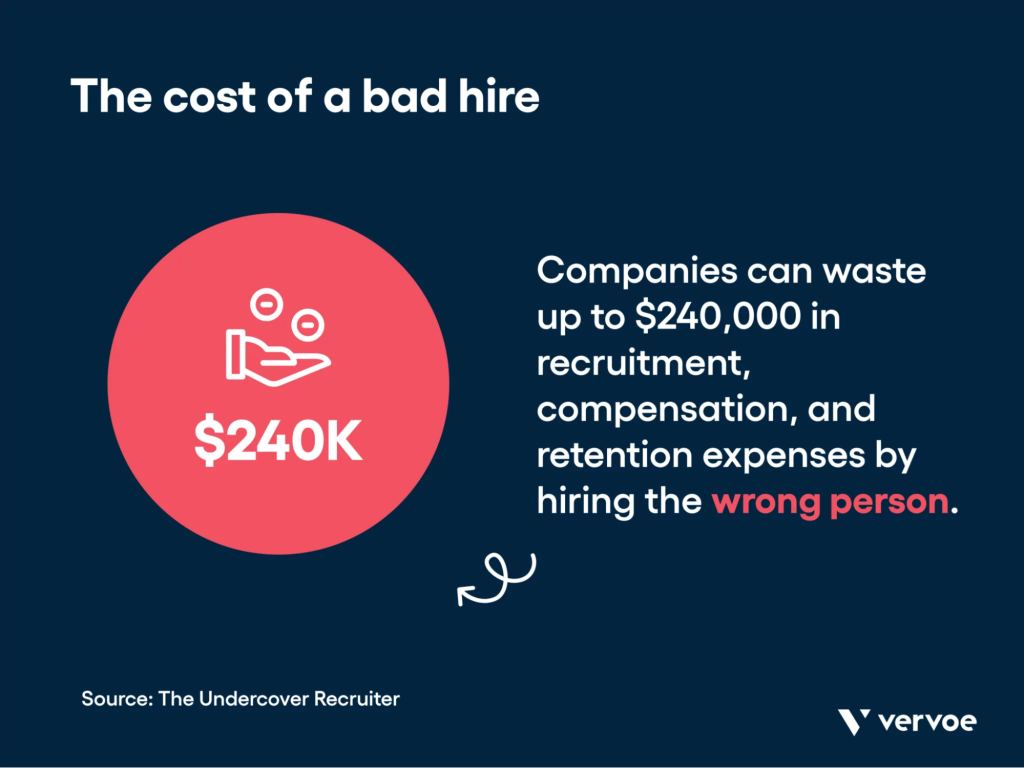
Your bottom line takes a substantial hit from these staffing issues. Poor hiring decisions can cost a tech company up to $240,000. The team as a service model offers an economical alternative to traditional hiring practices. Companies can save 40-70% on costs by working with remote digital teams from India, compared to hiring in the U.S., Canada, or Europe. On top of that, teams can expand or shrink based on project needs. This flexibility helps solve the scaling problems that many organisations face.
This blog breaks down how outsourced digital teams operate and their business models. We will discuss margin structures and why India stands out as a prime destination for these services. Remote employees in India cost 60-80% less than on-site staff with matching skills. These numbers make this model worth thinking about for any growing business.
What is the digital team as a service model, and how does it work?
The team as a service model offers a fresh way to bring digital talent on board without traditional hiring hassles. TaaS gives you a tight-knit team of digital professionals who work well together and focus on your business projects.
Companies can instantly access specialised expertise through TaaS instead of draining resources on traditional hiring. Your organisation gets an outsourced digital team that works closely with your internal people to deliver quick and efficient results.
How TaaS is different from traditional outsourcing
Traditional outsourcing hands over individual tasks to third parties with limited process control. TaaS takes a more integrated approach with these important differences. It offers higher operational control, letting you retain oversight of the entire project, while traditional outsourcing means giving up control.
In the team-as-a-service model, you also gain team cohesion. You get professionals who already know how to work together, which eliminates team-building delays. Another key point of difference is flexibility. Your resources can scale up or down based on what you need, making it perfect for evolving projects. Lastly, digital teams blend naturally into your company’s structure and use your preferred tools like Slack, Jira, or GitHub.
Types of digital teams you can hire:
Your business needs determine which specialised remote digital teams to involve. You can hire marketing teams that include content writers, graphic designers, social media specialists, and email marketers to work together. Other than that, you can also hire technical teams that include web designers, developers, eCommerce managers, and SEO specialists to collaborate.
Digital teams also include customer support teams, such as customer service representatives who handle client questions and provide after-sales support, and operations teams that include administration assistants, project managers, and fulfillment officers who keep business processes running smoothly.
When to think over TaaS for your business?
TaaS becomes particularly valuable in these situations where you just need specialised skills for a one-time project without permanent hires, your project needs urgent attention, and traditional recruitment takes too long, your workforce must grow faster to meet changing project demands, your internal team lacks specific expertise that costs too much to build in-house, and you aim to cut costs while keeping quality and flexibility.
The team as a service model helps you save money by cutting out recruitment fees, infrastructure costs, and expenses for HR and training.
What business models are used in a digital team as a service?
Business models shape project success more than technical skills in the digital team service space. You need to understand these models to pick the right approach that matches your needs.
Fixed-price vs. time-and-materials models:
Fixed-price contracts with outsourced digital teams set a predetermined cost for the entire project based on clear requirements. Smaller projects with well-laid-out scopes and deadlines work best with this model. Service providers calculate costs upfront, which makes budgeting more predictable.
Time and materials (T&M) contracts charge based on actual hours worked and resources used. Projects where requirements might change or weren’t fully defined in the original scope work better with this approach. T&M contracts offer more flexibility for changes but need active management to track expenses.
The main difference? Fixed-price contracts set the total cost at the start. T&M sets hourly rates, but you’ll know the final cost only after completion.
Dedicated team model explained:
The dedicated team model lets you hire professionals who work only on your project for long periods. These remote digital teams work independently but report directly to you. You pay monthly based on team size, which includes member salaries and provider fees. Long-term projects without strictly defined scopes thrive with this approach.
Hybrid engagement models:
Hybrid models blend fixed-price elements for defined tasks with time-and-materials parts for evolving project phases. This balanced approach helps control costs for stable elements while keeping flexibility for dynamic aspects. Companies that use hybrid models save significantly through better resource allocation.
How are billing and contracts structured?
Project complexity and duration shape contract structure. Fixed-price contracts need detailed specifications, and payments come in installments. T&M contracts use agreed hourly rates with monthly billing based on work completed. Dedicated digital teams use task management and time-tracking solutions that clients can check anytime. This transparency helps you retain control throughout the project.
How do margins work in the TaaS model?
Margins play a vital role in the team as a service model for your digital initiatives. TaaS works differently from traditional hiring when it comes to financial mechanics. These differences affect both service providers and their clients.
Understanding provider vs. client margins:
Digital teams space providers usually work with 30-50% margins. Most agencies need at least 30% margins to stay profitable. Service providers reach these margins by mixing people costs with intellectual property assets. Clients can benefit from lower overhead costs and scale their resources whenever required.
Factors that influence profitability:
Remote digital teams profitability depends on several elements such as client selection and relationship maturity, digitalisation capabilities of both parties, service complexity and specialisation, relational assets and knowledge-sharing systems, and geographic location of the outsourced digital team.
How to review cost vs. value?
The real value goes beyond just hourly rates. Digital transformation drives future competitiveness, and the team as a service model opens up new ways to create value. Both parties get better results when they move from transactional to relationship-based engagement models.
Common pricing measures in India:
Source: ClickX
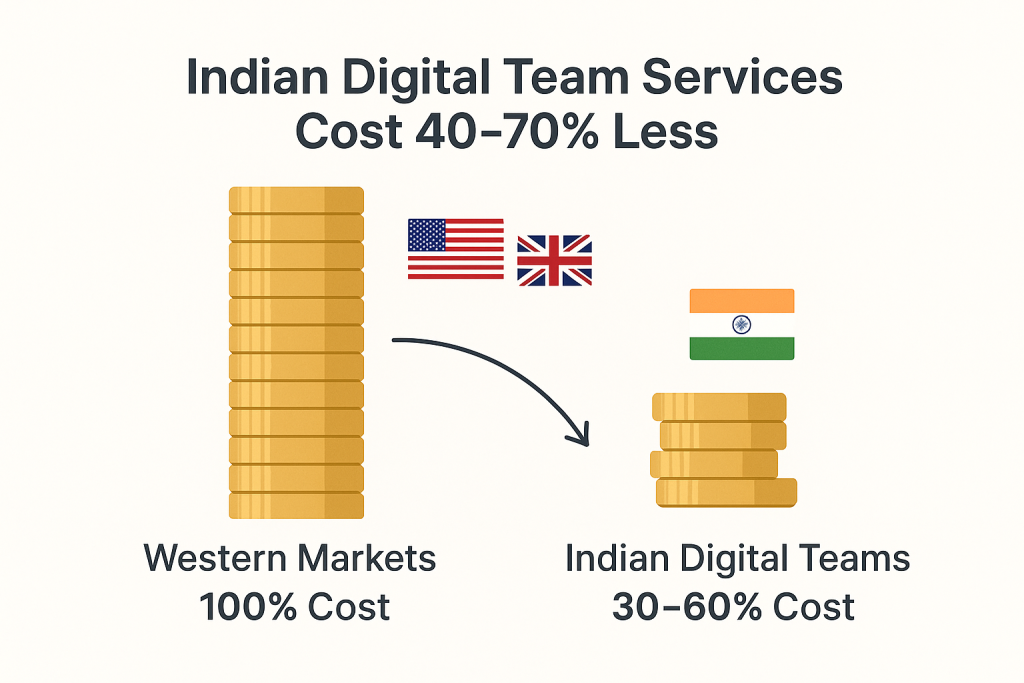
Indian digital team services cost 40-70% less than Western markets. Team as a service model agencies start with 12-30% margins. These margins grow over time as they show consistent value to their clients.
Why does India have an edge in the digital team as a service?
India stands out in the digital team as a service world due to several key advantages. The country gives businesses worldwide an unmatched mix of talent, economics, and operational benefits.
Access to a large, skilled talent pool:

Source: WS Group
India has 5.5 million developers with a 10% yearly growth rate, making it the country with the largest tech talent pool globally. The education system produces about 1.5 million engineering graduates each year, and 34% of them pursue STEM degrees. This huge talent pipeline means companies will always find skilled workers to develop digital solutions.
Cost efficiency without quality loss:
Companies that outsource IT services to India cut their operational costs by 40–60%. To name just one example, skilled professionals in India cost between £11.91 to £31.77 per hour. These rates are 80% lower than similar talent in Western markets, ensuring cost efficiency without quality loss in hiring remote digital teams.
English proficiency and communication:
India ranks as the world’s second-largest English-speaking country after the USA, which removes language barriers with Western clients. English serves as the main business language. This helps create uninterrupted collaboration for global projects.
Time zone advantages for global teams:
India’s location (GMT+5:30) creates natural benefits for global teamwork. Australian businesses get a 4-hour workday overlap, while New Zealand keeps a 2-hour window. Teams can use the “follow-the-sun” model, where development continues 24/7.
Cultural compatibility with Western clients
Indian tech professionals show an entrepreneurial mindset and adapt well to Western business practices. These professionals are tech-savvy and understand Western business culture, which makes them valuable for global companies.
Conclusion: The Rise of Digital Teams as a Business Solution
Digital team as a service model provides a better alternative to traditional hiring practices. This approach helps solve the talent shortage and gives companies of all sizes the flexibility they need. The right business model drives project success. Companies can choose fixed-price, time-and-materials, dedicated team, or hybrid options to meet different business needs. The dedicated team model works best for long-term projects that don’t have strict scopes. Clear billing makes financial planning easier and more predictable.
Team as a service model shapes the future of digital work. Global hiring remains challenging. Companies that welcome this flexible approach will stay ahead through cost savings and quick scaling options. They also get access to specialised skills. Outsourced digital teams from India provide practical solutions that balance quality, cost, and speed in today’s ever-changing business world.
FAQs:
Digital agencies typically aim for profit margins between 20-30%, with some achieving higher margins of 40-50% through efficient operations and specialised services. Factors like team size, service offerings, and operational costs can significantly impact profitability.
The TaaS model offers higher operational control, pre-existing team cohesion, greater flexibility in scaling resources, and seamless integration with your company’s existing tools and processes. This approach provides a more integrated solution compared to traditional outsourcing methods.
Companies can hire various specialised teams through TaaS, including marketing teams (content writers, designers, social media specialists), technical teams (web developers, SEO specialists), customer support teams, and operations teams (project managers, administrative assistants).
India offers several advantages, including a large pool of skilled talent (5.5 million developers), cost efficiency (40-70% savings compared to Western markets), high English proficiency, favourable time zone positioning for global collaboration, and cultural compatibility with Western business practices.
Contracts in TaaS can be structured as fixed-price, time-and-materials, or hybrid models. Fixed-price contracts set a predetermined cost for the entire project, while time-and-materials contracts bill based on actual hours worked. Dedicated team models often use monthly payments based on team size. Billing transparency is maintained through task management and time-tracking solutions.